The Benefits of Using a Bedside Cot for Nursing: A Comprehensive Guide
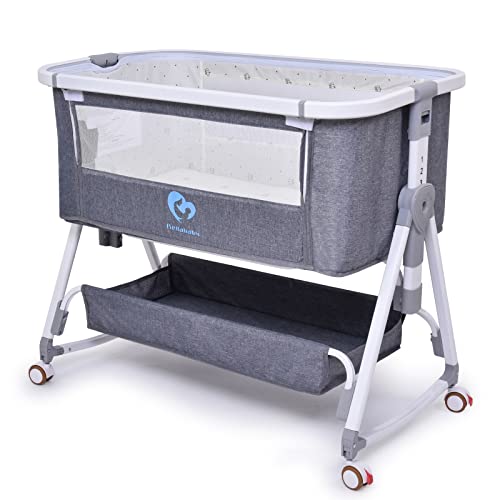
In the last few years, the concept of co-sleeping, particularly making use of bedside cots, has actually gotten much attention amongst new parents and caregivers. A bedside cot is a type of baby bed that is designed to securely connect to the side of an adult bed, providing a safe sleeping environment for infants while promoting ease of access for breastfeeding mothers. Bedside Sleeper will explore the different benefits of bedside cots for nursing, various types offered, considerations for choosing one, and often asked questions.
The Advantages of Bedside Cots for Nursing
1. Boosted Accessibility
One of the most substantial advantages of a bedside cot is the ease of access it offers. Nursing moms can merely reach over to get their baby without the need to stand or move far from bed. This benefit allows for:
- Quick night feedings
- Increased convenience for the mom
- Minimized danger of disruptions to both mother and baby during nighttime care
2. Promotes Bonding
Nursing is more than simply a way of nourishment; it is likewise a chance for moms to bond with their infants. A bedside cot facilitates this connection by allowing moms to keep close proximity to their babies during sleep. This closeness can lead to:
- Enhanced emotional connection
- Increased milk production due to frequent nursing
- A complacency for the infant
3. Motivates Extended Breastfeeding
The convenience of having a bedside cot motivates longer breastfeeding periods. Moms are more most likely to follow their baby's feeding cues and respond without delay when they can quickly access their kid. The advantages of extended breastfeeding include:
- Improved dietary consumption for the baby
- Improved developmental advantages
- Strengthened immunities through breast milk
4. Supports Safe Sleep Practices
Bedside cots are created with security in mind, permitting parents to keep close guidance over their sleeping infant. By adhering to safe sleep recommendations-- such as putting the baby on their back to sleep and making sure a company bed mattress-- parents can develop a more secure environment. Features that add to safety may include:
- Breathable sides to prevent suffocation
- Tough, non-toxic materials
- Adjustable heights to match the adult bed
5. Versatile Use
A bedside cot can serve as both a crib and a co-sleeping plan. Many designs are adjustable in height or can be completely removed for use as a standalone crib when the kid grows older. This adaptability supplies long-lasting use and value.
Kinds Of Bedside Cots
Bedside cots are available in various designs and styles. Below are some typical types:
| Type | Description |
|---|---|
| Co-Sleeping Cribs | Full-sized cribs that can be safely attached to the side of the parents' bed. |
| Bassinet-style Cots | Smaller, portable cots that fit beside the bed and are light-weight for easy transportation. |
| Convertible Baby Beds | Cots that transform into different kinds of beds as the child grows, often consisting of young child and youth bed choices. |
| Foldable Playards | These can be utilized as both a sleep area and a backyard, easily saved when not in use. |
Factors to consider When Choosing a Bedside Cot
When choosing a bedside cot, parents need to consider a number of essential aspects:
Safety Features
- Search for mesh sides for ventilation.
- Guarantee that the cot meets safety standards and guidelines.
Ease of Use
- Look for adjustable height settings to align with your bed.
- Think about how easily the cot can be moved if needed.
Size and Space
- Make certain there is enough space in the bedroom for the cot.
- Pick a crib that fits comfortably without taking excessive room.
Portability
- If travel is frequent, think about a lightweight model that can be easily folded and transported.
Sturdiness and Material
- Select high-quality materials that offer resilience and are easy to tidy.
Frequently Asked Questions
1. Are bedside cots safe for sleeping?
Yes, when used properly and following security guidelines, bedside cots are typically safe for infants to sleep in. Always make sure that the cot is safely connected to the adult bed which there are no spaces.
2. Can I use a bedside cot for a newborn?
A lot of bedside cots are designed for newborns and can accommodate them securely. Always examine the manufacturer's recommendations for weight limitations and age viability.
3. How can I guarantee my baby's security while using a bedside cot?
To make sure security, constantly place your baby on their back to sleep and routinely examine that the cot is securely connected to your bed. Keep a clutter-free sleeping environment.
4. When should I transition my baby from a bedside cot to a crib?
Repeatedly, parents transition their child to a crib when they are around 4 to 6 months old or when they begin to roll over often. Nevertheless, the precise timing depends upon the baby's advancement.
5. Can I use a bedside cot for several babies?
Bedside cots are usually developed for single infants. If parents have twins or multiples, it's suggested to use different sleeping arrangements to ensure safety.
Bedside cots use lots of benefits for nursing mothers, including ease of access, safety, and promoting a strong bond in between mother and kid. By selecting the right kind of bedside cot and considering security functions, parents can create a nurturing environment for their infants. As Info of co-sleeping continues to rise, supplying a safe and comforting setup is crucial for the wellness of both baby and caretaker. With the best details and resources, parents can navigate this new chapter in their lives much better ready than ever.