The Benefits of Using a Bedside Cot for Breastfeeding: A Comprehensive Guide
As more new parents find the delights and obstacles of breastfeeding, they are increasingly turning to bedside cots as a practical solution for nighttime feeding. This article explores the benefits of using a bedside cot, how it helps with breastfeeding, and offers recommendations on choosing the best one. With a concentrate on safety and comfort, this guide provides invaluable insights for new parents.
What is a Bedside Cot?
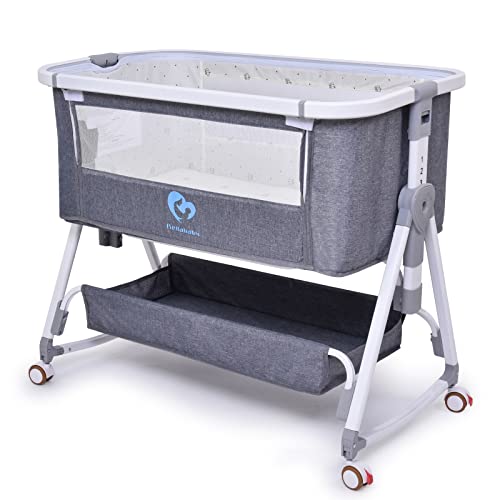
A bedside cot is a small crib or bassinet created to sit beside the parents' bed while enabling easy access to the baby. These cots often have features like adjustable heights and removable sides, making nighttime feeding seamless and convenient.
Key Features of Bedside Cots
| Function | Description |
|---|---|
| Adjustable Height | Enables the cot to line up with the height of the moms and dad's bed. |
| Detachable Side | Supplies easy access to the baby for nursing without leaving the bed. |
| Compact Design | Space-saving and suits small bed rooms or houses. |
| Safety Features | Equipped with safe locking systems to avoid collapsing. |
| Comfortable Mattress | Typically includes a firm, breathable bed mattress for the baby's safety and convenience. |
Advantages of Using a Bedside Cot for Breastfeeding
Using a bedside cot provides many advantages that directly benefit both the mom and the newborn. Here are some of the essential benefits:
- Easier Nighttime Feedings: Breastfeeding moms often find themselves waking numerous times throughout the night. A bedside cot enables easy access to the baby, making feedings less disruptive.
- Promotes Skin-to-Skin Contact: The distance of the cot motivates skin-to-skin contact after feeding, which is helpful for both physical and psychological bonding.
- Minimizes Sleep Disruption: Since the baby neighbors, parents can respond quickly to their baby's requirements without fully getting up, making it easier to keep their own rest.
- Assists in Co-Sleeping: Bedside cots provide a safe co-sleeping alternative, permitting parents to keep their baby close while maintaining a separate sleep space for the baby.
- Improved Safety: Unlike standard co-sleeping where the baby sleeps in the exact same bed, a bedside cot relieves the threat of suffocation and rolling over onto the baby.
Considerations When Choosing a Bedside Cot
When selecting a bedside cot, parents should think about numerous elements to guarantee they choose the right option for their family:
- Safety Standards: Always examine that the cot satisfies safety requirements set by relevant authorities.
- Material and Build Quality: Choose a cot made from high-quality, non-toxic products.
- Space Requirements: Consider the readily available space in the bedroom and choose a cot that fits easily.
- Portability: If the cot will be moved around often, look for light-weight and easy-to-move designs.
- Adjustability: Opt for a cot that allows height changes to make sure a perfect fit beside your bed.
Suggested Bedside Cots
Below is a list of some extremely ranked bedside cots readily available on the marketplace:
HALO Bassinest Swivel Sleeper
- Adjustable height
- 360-degree swivel
- Mesh sides for breathability
Chicco Next2Me Magic
- Can be utilized as a standalone crib
- Easy to connect and get rid of
- Fastens securely to the bed
Babybay Original Bedside Crib
- Made from sustainable wood
- Adjustable height and detachable side
- European safety standards certified
Tips for Successful Nighttime Breastfeeding
To make nighttime breastfeeding as smooth as possible, think about the following ideas:
- Create a Comfortable Nursing Space: Ensure that the area beside the bed is well-lit and has all the essentials within arm's reach (nursing pillow, water, treats).
- Practice Proper Positioning: Familiarize yourself with different nursing positions conducive to lying down. The side-lying position can be especially useful for nighttime feedings.
- Stay Relaxed and Focused: Aim to stay calm and comfortable during nighttime feedings, as tension can affect milk circulation.
- Use Nighttime Gear: Invest in pajamas designed for nursing or a good nursing bra to make feeding much easier.
Frequently Asked Questions About Bedside Cots for Breastfeeding
Q: Can I use a bedside cot from day one?A: Yes, most bedside cots are designed for newborns and can be used from birth.
Q: Is it safe for my baby to sleep in a bedside cot?A: Yes, as long as the cot fulfills safety standards, it is safe for your baby. Make Co-Sleeper Crib to follow the maker's guidelines and ensure correct setup.
Q: How long can a baby use a bedside cot?A: Most bedside cots can be used up until the baby reaches a specific weight limit or starts to try to climb out, usually around 6-12 months.
Q: Do I need a mattress for the bedside cot?A: It is generally recommended to use the bed mattress offered with the cot to guarantee it fits securely and securely.
Q: Can I co-sleep with my baby in a bedside cot?A: Yes, bedside cots are designed for co-sleeping while keeping the baby in a different space, reducing the danger of suffocation.
The use of a bedside cot is a progressively popular option amongst new parents searching for benefit and security during nighttime breastfeeding. By understanding the advantages and functions of bedside cots and considering the suggestions supplied, new parents can find assurance in understanding they are making practical choices for their family. With the ideal bedside cot, breastfeeding can become a more workable and satisfying experience, enabling parents and their babies to bond effortlessly during those precious nighttime moments.